
 Feb 09, 2026

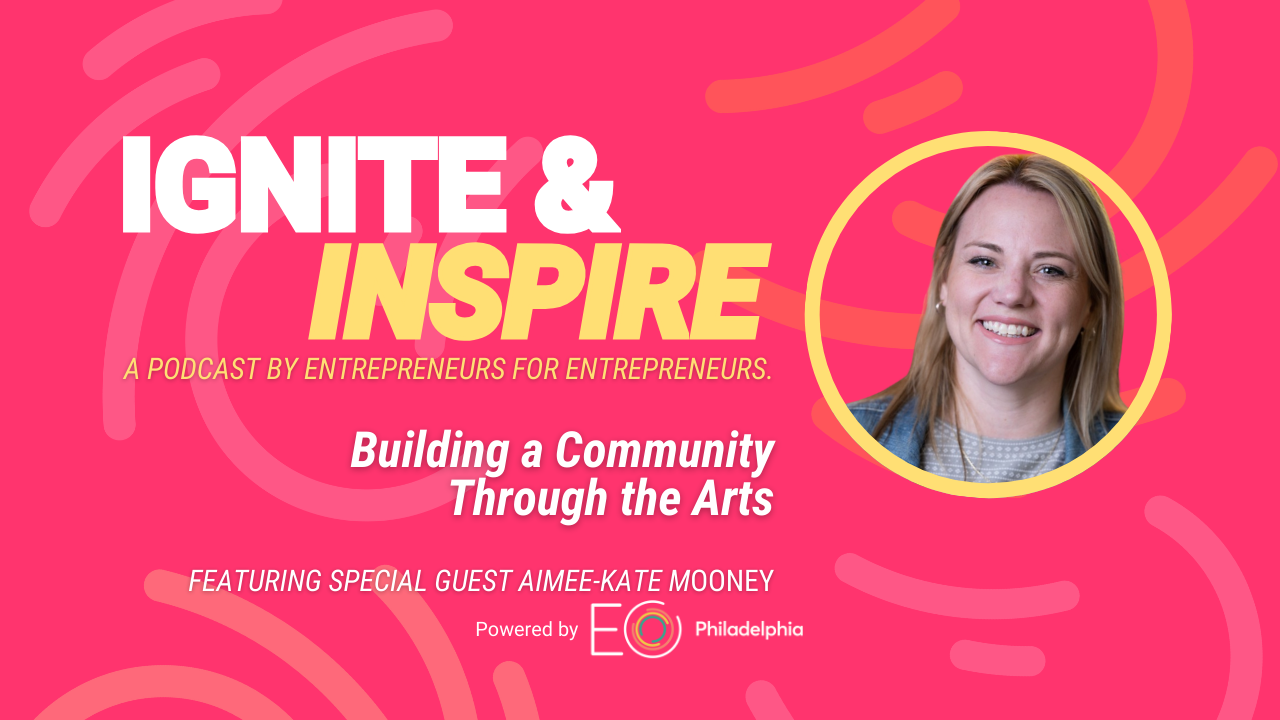
In a recent episode of the EO Philadelphia Ignite & Inspire Podcast, Tina Hamilton sat down with Aimee-Kate Mooney of CCC Shines, a children’s performing arts organization that grew from a volunteer-driven project into a thriving, multi-location operation. While the setting may be unique, the leadership lessons are deeply familiar to any organization navigating growth.
Here are five takeaways that leaders of established, growing businesses should pay close attention to.
1. Growth Doesn't Start Polished, But It Starts Supported
CCC Shines began with passion, volunteers, and handwritten processes, not formal systems or business training. What made growth possible wasn’t perfection; it was people stepping in to help establish foundational structure when it mattered most.
Many organizations experience this same phase of growth outpacing infrastructure. The lesson is simple but critical: support early growth with the right guidance before gaps become risk.
2. Culture Starts Long Before It's Ever Documented
Long before culture statements or handbooks existed, CCC Shines was already shaping how people showed up, supported one another, and worked with purpose.
Culture doesn’t begin when it’s written down. It forms in everyday decisions, leadership behavior, and how people are treated, especially in moments of uncertainty. By the time leaders try to “fix” culture later, it’s often already deeply ingrained.
3. New Employees Are Learning More Than the Job
For many of CCC Shines’ seasonal and young employees, this was their first job. They weren’t just learning choreography or stage management; they were learning how to:
-
Show up professionally
-
Communicate expectations
-
Ask for growth
-
Handle responsibility
Those early experiences shape how people work for years to come. Leaders should remember that every role, no matter how temporary, contributes to long-term workforce habits.
4. People-Centered Leadership Is What Sustains Organizations Through Hard Moments
When CCC Shines faced the unexpected loss of a beloved team member, leadership leaned into humanity, not avoidance. Supporting staff, students, and families through grief wasn’t separate from the business. It was the work.
Organizations that acknowledge the full human experience build trust, resilience, and loyalty. This isn’t “soft leadership.” It’s what keeps teams steady when challenges inevitably arise.
5. Scaling Requires Clear Roles, Not Just Shared Passion
One of the most telling moments in the conversation is when leadership responsibilities became intentionally divided, with creative vision on one side and operations and business leadership on the other.
This is a common inflection point for growing companies. Passion can fuel the early days, but clarity sustains growth. When roles, expectations, and ownership are defined, organizations can expand without burning out their people.
Watch the Full Conversation
The full conversation offers a thoughtful, real-world look at leadership, growth, and the people decisions that shape lasting organizations.
Listen on YouTube,
Topics discussed
ABOUT THE AUTHOR

Related Posts